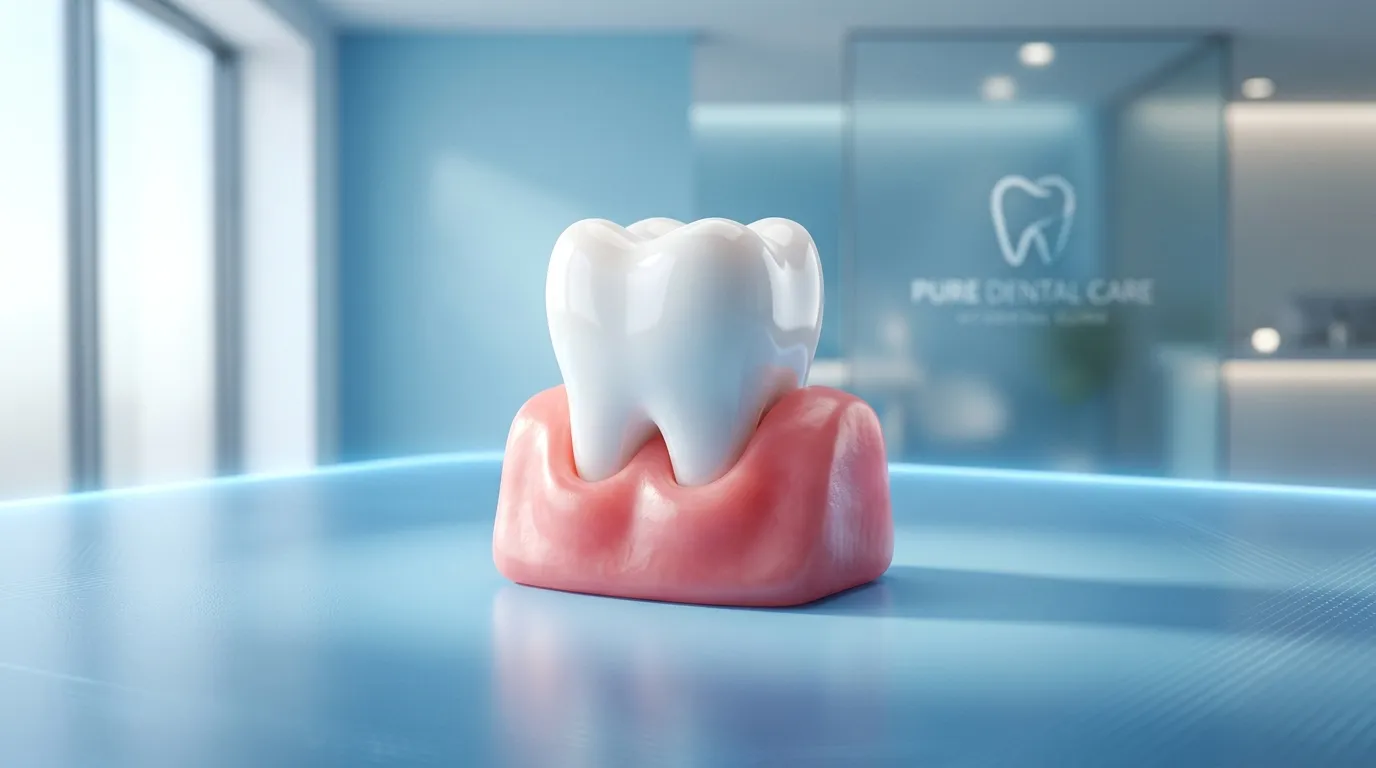
"Patients frequently ask me: 'Doctor, can I massage my gums with oil or herbal paste to make them grow back down over the roots?' The anatomical reality is simple: once the crestal bone and attached keratinized gingiva recede, biological tissue cannot re-grow on exposed root dentin on its own. Gum grafting is not merely cosmetic; it is a vital protective shield that saves teeth from aggressive root cavities, severe sensitivity, and premature tooth loss."
— Dr. Avinash B.S., MDS Periodontist & Oral Implantologist
1. Why Do Gums Recede? Understanding the Root Problem
Gingival recession is the progressive apical migration of the gum margin below the enamel junction (cervicoenamel junction), exposing the yellow, softer root dentin beneath. In our Mysore clinical practice, we identify five primary etiologies:
Traumatic Toothbrushing
Scrubbing teeth horizontally with hard or medium bristles acts like sandpaper, stripping away thin gingiva over prominent tooth angles.
Chronic Periodontitis
Subgingival calculus and bacterial colonies destroy the underlying alveolar bone; as bone resorbs, the overlying gum tissue collapses downward.
Thin Genetic Biotype
Certain individuals naturally inherit delicate, paper-thin gums that possess less than 1 mm of attached keratinized tissue, making them vulnerable to trivial friction.
High Muscle Frenum Attachment
A fibrous lip or cheek muscle band attached too close to the gum margin exerts tension during speech and chewing, constantly pulling the gum away.
2. The Biological Truth: Can Receded Gums Grow Back?
Unlike human skin or liver tissue, receded gingival tissue has zero intrinsic regenerative capacity to climb back up an exposed avascular tooth root on its own.
Once a root is exposed to the oral cavity, it becomes colonized by saliva glycoproteins and bacterial endotoxins. Furthermore, the root has no blood supply of its own—it depends entirely on blood vessels feeding it from the surrounding bone and periodontal ligament.
Clinical Warning: Commercial "gum regrowth serums", aggressive salt rinses, or abrasive charcoal powders do not restore lost gum tissue. In fact, abrasive rubs accelerate root gouging (abfraction/abrasion), making sensitivity dramatically worse.
3. The 3 Types of Gum Grafting: Which Is Right for You?
Periodontal plastic surgery has evolved from aggressive historical cutting to micro-invasive tissue transplants. As a specialist periodontist, Dr. Avinash B.S. selects the exact technique based on your recession pattern:
A. Subepithelial Connective Tissue Graft (SCTG)
This is the premier technique for covering exposed roots on upper front teeth and premolars. A microsurgical "trapdoor" incision is made on the roof of your mouth (palate) to harvest a thin, collagen-rich sub-surface layer of connective tissue. The surface of your palate is then closed immediately, meaning there is no open wound on the roof of your mouth.
The harvested graft is tucked beneath a prepared tunnel or flap over the exposed tooth root. Because it contains living fibroblasts and collagen, it integrates seamlessly with your existing gums, matching their natural coral-pink shade 100%.
B. Free Gingival Graft (FGG)
Indicated primarily on lower incisors or premolars where the gum has completely disappeared and thin, fragile lip mucosa is directly attached to the tooth. An FGG transfers a small layer of firm surface tissue to create a dense, immovable band of keratinized tissue. This prevents muscles from pulling on the gumline, permanently halting recession.
C. Minimally Invasive Tunneling Technique
Rather than cutting visible vertical incisions between your teeth, Dr. Avinash creates a micro-tunnel beneath the gum line using microsurgical instruments. The graft is gently slid through the tunnel and guided into place. This eliminates visible scars and provides rapid, comfortable healing.
4. The PRF Advantage: Accelerating Healing with Your Own Growth Factors
At Dental Planet Mysore, we routinely combine gum grafts with Platelet-Rich Fibrin (PRF). Just before your procedure, a small sample of your own blood is drawn and spun in a specialized medical centrifuge.
How PRF Supercharges Your Gum Graft Success:
- Rapid Blood Vessel Growth (Angiogenesis): High concentrations of VEGF trigger new capillaries to nourish the graft within 72 hours.
- Cuts Palatal Discomfort by 60%: Applying a PRF biological clot to the donor site acts like an internal biological band-aid.
- 100% Natural & Autologous: Derived entirely from your own blood, eliminating risk of foreign-body rejection or allergy.
5. Gum Grafting Cost in Mysore (2026 Transparent Guide)
We believe in complete financial transparency. The cost of gum grafting surgery depends on the number of teeth involved, whether autogenous palatal tissue or collagen matrices are used, and whether PRF biological therapy is added:
| Procedure / Scope | Clinical Indication | Cost Range (Mysore) |
|---|---|---|
| Single Tooth Connective Tissue Graft | Isolated severe recession on front tooth / canine | ₹4,500 – ₹7,500 |
| Free Gingival Graft (FGG) | Creating attached gum band on lower anterior teeth | ₹4,000 – ₹6,500 |
| Multiple Teeth Tunneling (3–4 Teeth) | Full quadrant aesthetic root coverage | ₹14,000 – ₹22,000 |
| PRF Biological Augmentation Membrane | Accelerated healing and pain reduction | ₹2,000 – ₹3,500 |
6. What to Expect During the Procedure: Step-by-Step
Ultrasonic Root Preparation
The exposed root is gently planed and conditioned with EDTA to remove toxic bacteria and expose natural collagen fibers for graft adherence.
Painless Computerized Anaesthesia
Advanced local anaesthesia ensures both the recipient tooth area and the palatal donor site are 100% numb. You feel zero pain.
Microsurgical Graft Placement & Suturing
Using surgical loupes and ultra-fine 6-0/7-0 ophthalmic sutures, Dr. Avinash securely anchors the graft over the root without tension, promoting rapid vascular tie-in.
Post-Operative Dressing
A protective periodontal dressing is applied to shield the site while you comfortably eat soft food during the first few days.
7. Frequently Asked Questions by Patients in Mysore
Is gum grafting surgery painful?
No. The procedure itself is completely painless under local anaesthesia. For post-operative recovery, connective tissue grafts leave the palate closed, feeling like a mild scrape that resolves in 48 hours with standard pain relievers.
Can receded gums lead to tooth loss?
Yes. The gum serves as the primary seal protecting the alveolar bone. When it recedes, bone resorption accelerates. Over time, teeth lose their structural foundation, become mobile, and eventually require extraction if left unaddressed.
How long do the results of a gum graft last?
Gum grafts are considered a permanent restorative procedure. Once healed, the new attached tissue integrates with your root surface. As long as you maintain proper oral hygiene, use a soft toothbrush, and avoid aggressive scrubbing, your graft will last for decades.
Check Your Gumline with our Free AI Oral Health Scanner
Curious whether your gums are showing early signs of recession or inflammation? Use our 30-second AI Oral Screening tool on your smartphone to check your teeth and gums before your clinical consultation.
Launch Free AI Dental Scan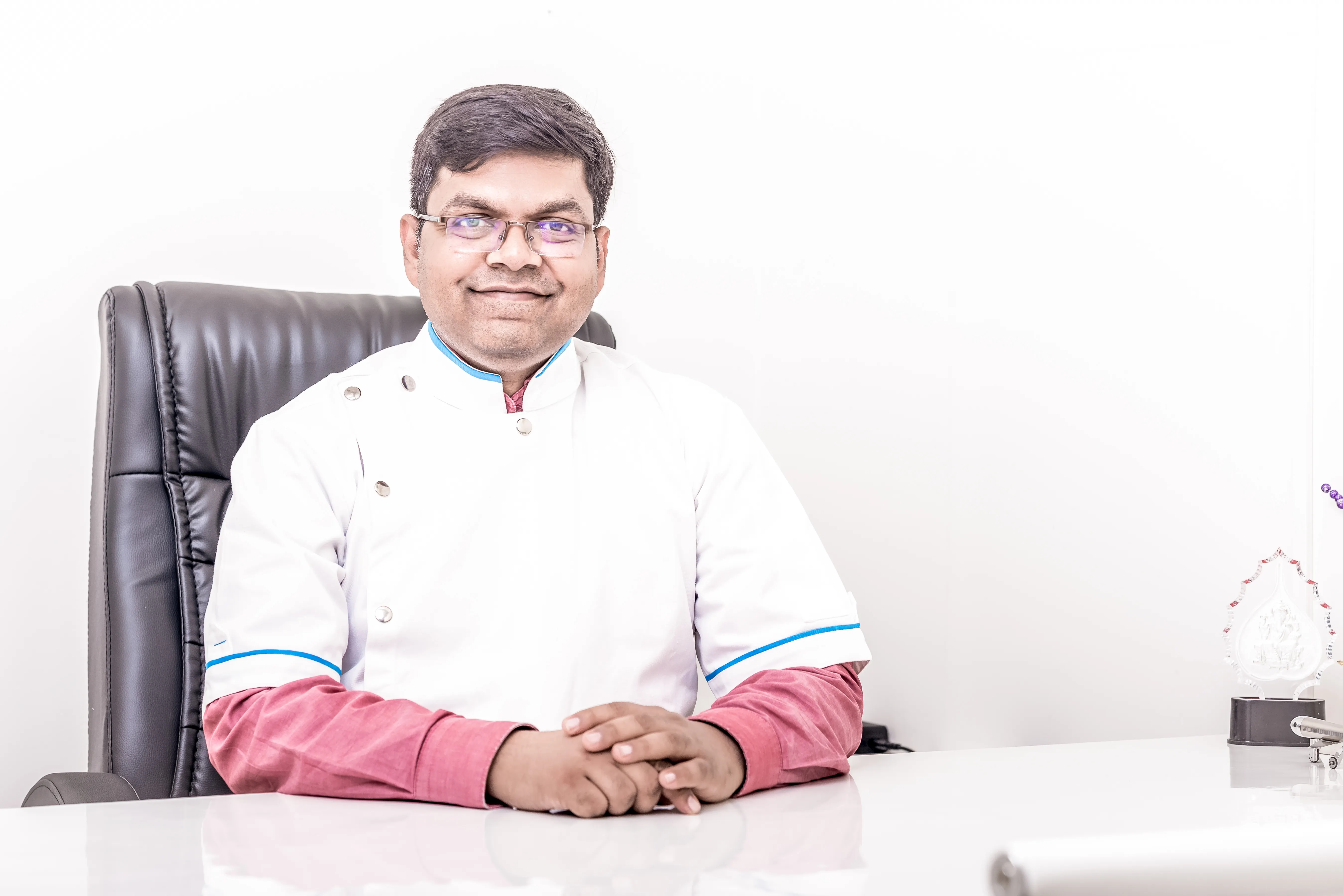
Schedule Your Consultation with Dr. Avinash B.S.
MDS Periodontics & Oral Implantology
Dental Planet Mysore • 374, New Kalidasa Road, Vijayanagar 1st Stage
Don't let receded gums lead to root decay or loose teeth. Book a thorough clinical assessment and digital CBCT scan with Dr. Avinash to determine the optimal root coverage technique for your smile.