1. The Biological Rule of Age 7: Why We Don't Wait for All Baby Teeth to Fall Out
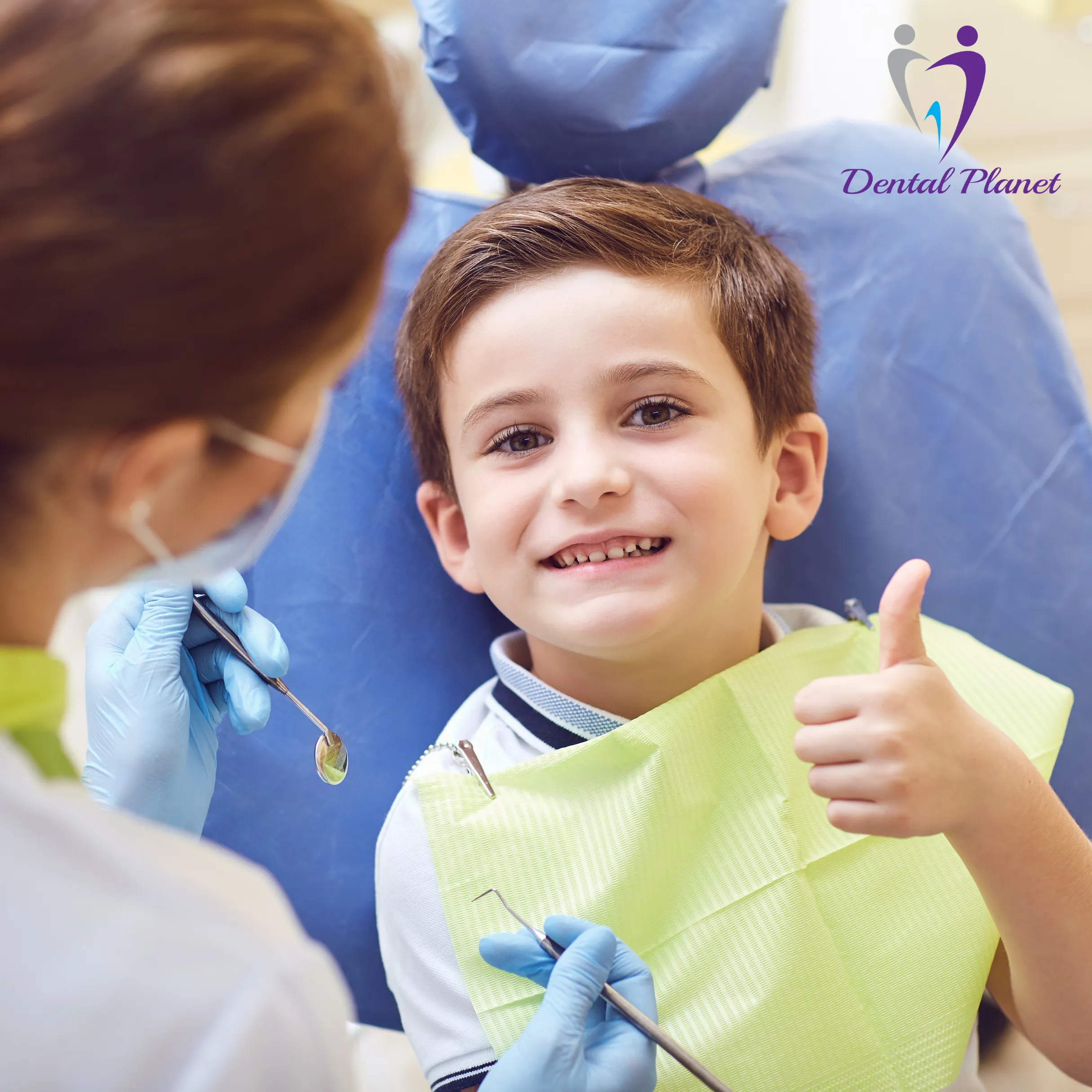
One of the most persistent misconceptions in dentistry is the advice to "wait until all milk teeth fall out around age 12 before visiting an orthodontist." As a specialist in dentofacial orthopedics, I frequently see 14-year-old teenagers whose severe jaw discrepancies could have been easily corrected in childhood but now require surgical jaw osteotomy or healthy premolar extractions.
By age 7, the child enters the mixed dentition stage. The first permanent molars have erupted to lock the posterior bite, and the upper and lower central and lateral incisors begin emerging. At this exact biological window, an orthodontic specialist can diagnose:
- Skeletal Discrepancies: Underbites (Class III jaw growth), severe overjets ("buck teeth"), and asymmetrical jaw shifting.
- Posterior & Anterior Crossbites: When upper teeth bite inside lower teeth, forcing the lower jaw to deviate laterally upon closing.
- Narrow Palates & Nasal Obstruction: Constricted upper jaws that restrict airway volume and cause chronic mouth breathing.
- Impaction Risks: Ectopically erupting permanent canine teeth trapped in the roof of the mouth.
"Phase 1 orthodontics is not about making teeth cosmetically perfect; it is about guiding growing bones so that the permanent teeth have a wide, healthy foundation to erupt naturally."
— Dr. Bhagyalakshmi Avinash, MDS (Orthodontics), PhD
2. What is Phase 1 Orthodontics? (Interceptive / Early Treatment)
Phase 1 Orthodontics (also known as interceptive or early dentofacial orthopedic treatment) takes place while the child still has a mix of primary (milk) teeth and permanent teeth, typically between the ages of 7 and 10 years.
The primary objective of Phase 1 is skeletal and structural modification. In growing children, the midpalatal suture of the upper jaw is cartilaginous and highly responsive to gentle orthopedic forces. By intervening early, we can:
- Widen a constricted maxilla (upper jaw) to create 4–8 mm of natural arch perimeter for incoming adult teeth.
- Eliminate traumatic crossbites that cause irreversible asymmetric jaw growth and facial distortion.
- Retract protruding front incisors to reduce the risk of traumatic dental injury from sports or playground falls by over 40%.
- Correct destructive myofunctional habits such as prolonged thumb-sucking, tongue-thrusting, and mouth breathing.
Phase 1 treatment typically lasts between 9 to 14 months. Once the structural goals are accomplished, active appliances are removed, and the child enters an observation "resting phase."
3. What is Phase 2 Orthodontics? (Comprehensive Alignment)
Phase 2 Orthodontics begins when almost all permanent teeth have erupted—usually between the ages of 11 and 15 years.
While Phase 1 focused on jaw size and skeletal proportions, Phase 2 focuses on fine micro-detailing, dental alignment, root parallelism, and 100% harmonious occlusion. Because Phase 1 already created adequate jaw space and balanced bone relationships:
- Phase 2 is dramatically shorter and simpler (often completed in 10–14 months rather than 24–36 months).
- Permanent tooth extractions are avoided in the vast majority of cases.
- Teenagers can choose comfortable, invisible options like Invisalign Teen or aesthetic ceramic brackets.
- The risk of orthodontic relapse in adulthood is significantly reduced.
4. Phase 1 vs Phase 2: Side-by-Side Clinical Breakdown
Here is how the two phases compare across biological goals, timing, appliances, and long-term outcomes:
| Clinical Factor | Phase 1 (Interceptive) | Phase 2 (Comprehensive) |
|---|---|---|
| Target Age | 7 to 10 Years Old (Mixed Dentition) | 11 to 15 Years Old (Permanent Dentition) |
| Primary Objective | Skeletal jaw growth guidance & arch expansion | Individual tooth alignment, bite perfection & smile aesthetics |
| Typical Duration | 9 to 14 Months | 10 to 18 Months |
| Common Appliances | Rapid Palatal Expanders, Myobrace, 2x4 Partial Braces, Invisalign First | Invisalign Teen, Self-Ligating Metal/Ceramic Braces |
| Tooth Extraction Risk | 0% (No permanent teeth extracted) | Dramatically reduced (<5%) |
| Facial Symmetry Impact | High — Corrects jaw shifts and nasal airway volume | Moderate — Enhances smile arc and lip support |
5. Advanced Interceptive Appliances Used at Dental Planet Mysore
At Dental Planet Mysore, we customize interceptive treatment to each child's anatomical profile using digital 3D intraoral scans rather than messy, uncomfortable putty impressions:
Rapid Palatal Expanders (RPE)
Gently widens the upper jaw by turning a tiny micro-screw at home. Opens the nasal floor, improves nasal breathing, and creates space for crowded incisors and canines.
Invisalign® First Clear Aligners
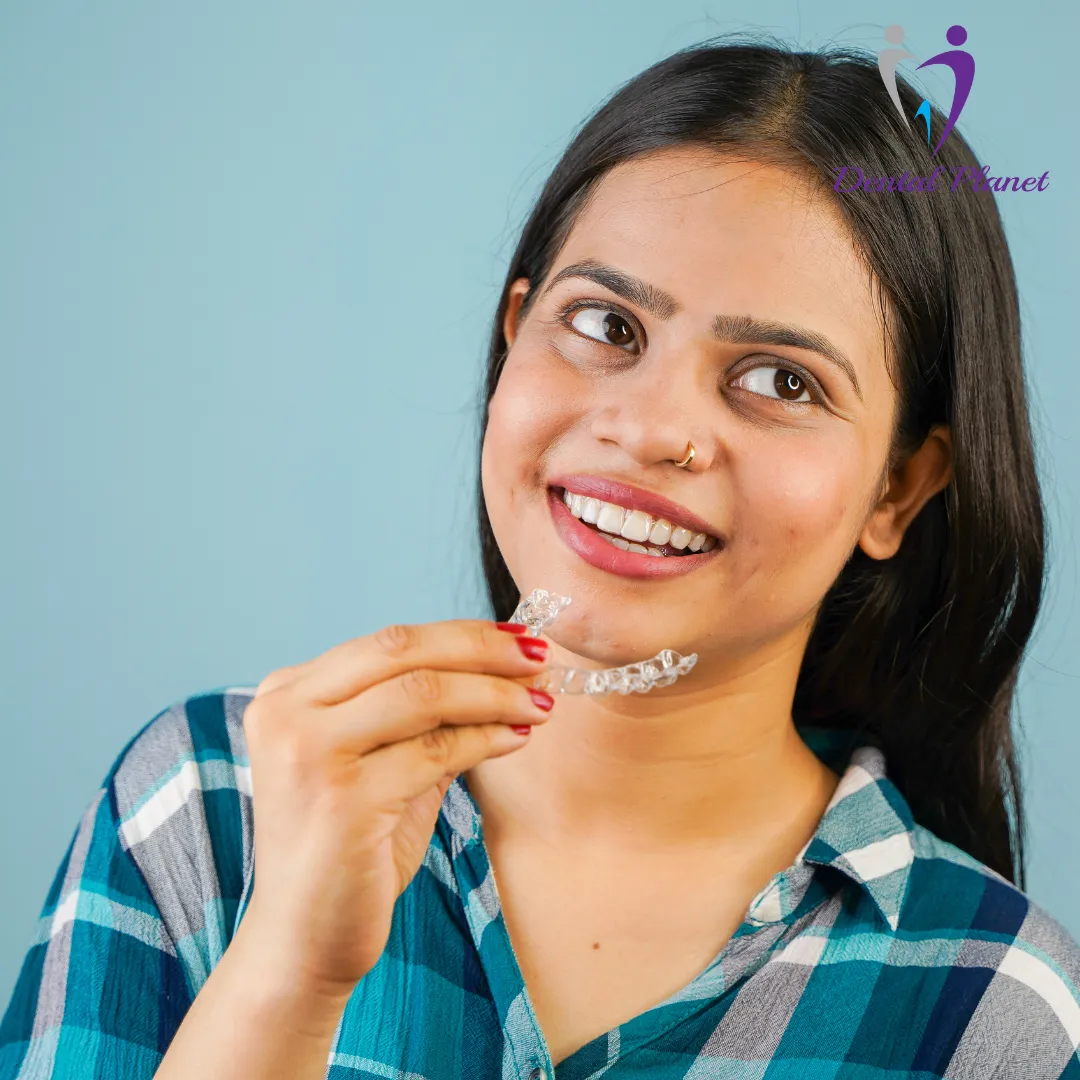
Designed specifically for growing children with mixed dentition. Expands dental arches and aligns front teeth with removable, virtually invisible plastic trays.
Myobrace® Myofunctional Therapy
Pre-orthodontic appliance worn 1–2 hours daily and overnight to retrain tongue posture, stop mouth breathing, and correct improper swallowing habits.
Habit-Breaking Appliances
Fixed palatal cribs that gently prevent thumb-sucking and tongue-thrusting, preventing severe open bites where front teeth fail to meet.
Early Orthodontics & Airway Health Explained
Watch how interceptive orthodontic care transforms children's smiles and airway breathing.
6. The Critical Link: Jaw Narrowing, Mouth Breathing & Sleep Quality
Many parents are surprised to learn that the roof of the mouth (the palate) is simultaneously the floor of the nasal cavity. When a child has a high-arched, constricted upper jaw, the nasal passages are physically narrowed, making nasal breathing difficult.
This triggers chronic mouth breathing, which leads to:
- Lowered tongue posture, causing the lower jaw to drop back and constrict the pharyngeal airway.
- Restless nighttime sleep, snoring, daytime fatigue, and difficulty concentrating in school (frequently misdiagnosed as ADHD).
- Long face syndrome (adenoid facies) with flattened cheekbones and a retrusive chin.
By widening the palate during Phase 1 interceptive treatment, we physically enlarge the nasal airway volume, restoring healthy physiological nasal breathing and sound sleep.
7. Phase 1 & Phase 2 Orthodontic Fees in Mysore (2026 Transparent Guide)
At Dental Planet Mysore, we believe in complete financial transparency. Orthodontic costs are structured based on clinical complexity and the type of appliance required:
Initial Age 7 Orthodontic Growth Screening
Clinical exam, facial profile analysis & 3D scan
Phase 1 Palatal Expander / Habit Appliance
RPE or tongue crib appliance including active adjustments
Invisalign® First (Early Clear Aligners)
Custom digital aligner series for children aged 7–10
Phase 2 Comprehensive Teen Alignment
Metal, ceramic or Invisalign Teen finishing
*Note: Interest-free 0% monthly EMI plans are available for all orthodontic treatments at Dental Planet. Visit our Treatment Fees & Catalog for complete details.
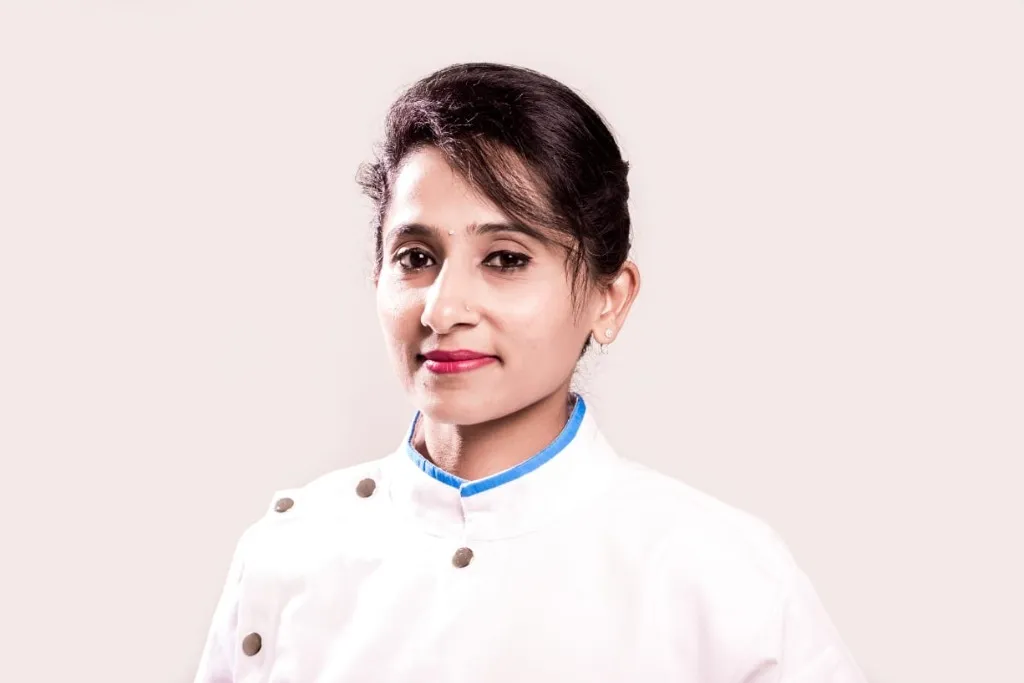
Dr. Bhagyalakshmi Avinash, MDS, PhD
Dr. Bhagyalakshmi is a Reader in Orthodontics and a Certified Invisalign Provider with over 15 years of clinical and academic expertise. Having completed her PhD in orthodontic biomechanics, she specializes in growth modulation, interceptive orthodontics, and non-extraction clear aligner therapies for children, teens, and adults.
8. Frequently Asked Questions (FAQ)
At what age should my child first see an orthodontist in Mysore?
The American Association of Orthodontists (AAO) and the Indian Orthodontic Society recommend that every child receive an orthodontic evaluation by age 7. At this age, the first adult molars and incisors have erupted, allowing the orthodontist to evaluate skeletal jaw relationships, crossbites, and airway issues early.
Does Phase 1 early orthodontic treatment eliminate the need for braces later?
Phase 1 interceptive treatment is designed to correct skeletal bone discrepancies, expand narrow palates, and make space for emerging permanent teeth. While many children still benefit from a shorter, simpler Phase 2 alignment (often with Invisalign Teen or ceramic braces), Phase 1 prevents severe crowding, impactions, and complex jaw surgery or tooth extractions later in life.
What appliances are used during Phase 1 orthodontics at Dental Planet Mysore?
Phase 1 appliances are tailored to your child's specific growth needs. Common options include Rapid Palatal Expanders (RPE), Myobrace myofunctional habit correctors, partial 2x4 braces on front teeth, habit-breaking cribs for thumb sucking, and Invisalign First clear aligners designed specifically for growing jaws.
Can clear aligners like Invisalign First be used for Phase 1 treatment?
Yes. Dr. Bhagyalakshmi Avinash is a Certified Invisalign Provider with PhD research credentials who utilizes Invisalign First for children aged 6 to 10. Invisalign First gently expands dental arches, corrects crossbites, and aligns teeth with zero metal wires, allowing children to brush and floss easily without dietary restrictions.
What happens during the resting period between Phase 1 and Phase 2?
After active Phase 1 treatment (which typically lasts 9 to 14 months), a resting observation period begins. During this phase, retainers or space maintainers are monitored every 6 months while the remaining permanent teeth erupt naturally into their expanded, healthy positions.