The Reality of Dental Implant Complications
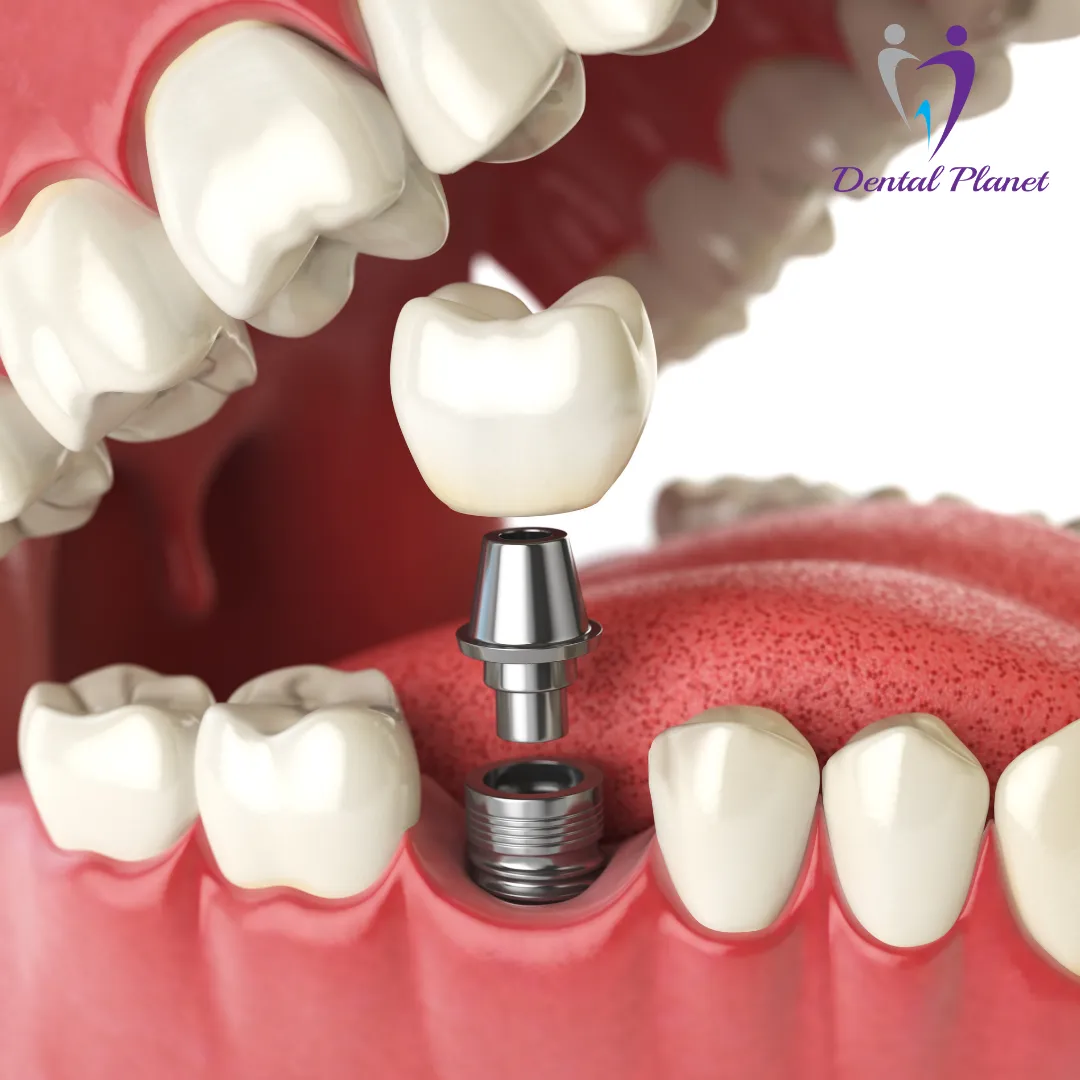
Getting a dental implant is universally recognized as the gold standard for replacing a missing tooth. In experienced surgical hands, titanium implants integrate permanently with jawbone tissue through a biological phenomenon known as osseointegration.
However, like natural teeth, implants are anchored in living bone and surrounded by delicate soft tissues. When oral bacteria accumulate around the implant collar or improper mechanical loads are placed upon it, inflammation can set in. In Mysore, we frequently evaluate patients who received implants elsewhere and are now experiencing bleeding, loose restorations, or persistent throbbing pain.
Early Failure vs. Late Failure: What's the Difference?
In periodontal surgery, implant failure is classified into two distinct categories based on timing and biological cause:
Early Failure (0–4 Months)
Occurs before or during initial bone healing. The bone fails to bond with the titanium screw. Often caused by poor initial bone density, surgical overheating, micromovement before integration, or untreated systemic conditions like severe uncontrolled diabetes.
Late Failure (1–10+ Years)
Occurs years after the tooth has been happily used. Caused primarily by peri-implantitis (bacterial gum infection causing progressive bone cratering), chronic nighttime teeth grinding (bruxism) without a nightguard, or subgingival cement leakage.
5 Critical Warning Signs You Must Never Ignore
Bleeding or Redness While Brushing (Peri-Implant Mucositis)
Healthy implant gums should be pale pink, firm, and bleed 0% of the time. If you notice pink foam when spitting or blood when flossing around the implant, the superficial gums are actively inflamed. This is the golden stage to treat before bone is touched.
Visible Silver Threads at the Gumline (Gum Recession)
If the gum tissue pulls back and exposes the silver-colored screw threads, bacteria have established an aggressive biofilm on the rough micro-textured titanium surface.
Persistent Dull Ache or Discomfort During Chewing
Because implants do not possess a periodontal nerve ligament, an integrated implant should never feel painful. Pain when biting indicates deep bone inflammation or micro-movement under masticatory force.
Unpleasant Taste, Bad Breath, or Pus Discharge
A persistent foul taste in a specific corner of your mouth or noticeable exudate (pus) around the crown margin is a definitive symptom of active bacterial peri-implantitis requiring immediate decontamination.
Mobility: Any Slight Wiggle of the Tooth
Important distinction: Is the crown wiggling or is the root wiggling? In 80% of cases, it is merely the internal abutment screw that has loosened. However, if the underlying implant itself moves in the bone, immediate specialist intervention is critical.
Stage-by-Stage Comparison Matrix
How periodontists diagnose and grade implant complications:
| Feature | Healthy Implant | Peri-Implant Mucositis | Peri-Implantitis |
|---|---|---|---|
| Gum Appearance | Pink, tight, firm | Red, swollen margins | Purplish, pus, receded |
| Bleeding on Probing | None | Yes (superficial) | Profuse bleeding + exudate |
| Bone Loss on X-Ray | Zero bone loss | Zero bone loss | Saucer-shaped bone crater |
| Reversibility | N/A | 100% Reversible | Can be arrested & regrown |
| Standard Treatment | Routine 6-mo cleaning | Ultrasonic + Laser Polish | Laser LAPIP + GBR Bone Graft |
How Dr. Avinash B.S. Rescues Failing Implants at Dental Planet
Treating an infected implant is dramatically different from treating a natural tooth. Metal curettes designed for enamel can scratch titanium, creating micro-grooves where even more bacteria hide. At Dental Planet Mysore, Dr. Avinash B.S. utilizes advanced regenerative periodontal protocols:
1. Soft-Tissue Laser Decontamination (LAPIP Protocol)
Using a specialized soft-tissue diode laser, we vaporize pathogenic anaerobic bacteria from deep periodontal pockets without touching or heating the titanium implant body. The laser also biostimulates the surrounding bone cells to initiate healing.
2. Air-Flow Glycine / Erythritol Subgingival Polishing
We utilize ultra-gentle biocompatible glycine powder sprays to safely wash away the bacterial biofilm from rough implant threads without removing the critical micro-texture necessary for bone adhesion.
3. Guided Bone Regeneration (GBR) & PRF Membranes
When peri-implantitis has destroyed bone around the upper threads, Dr. Avinash places natural mineral bone graft material combined with autologous Platelet-Rich Fibrin (PRF) drawn from the patient's own blood. This rebuilds bone volume and re-anchors the implant firmly.
4. Gentle Explantation & Delayed Re-implantation (If Needed)
If an implant has lost more than 60% of bone support and is clinically mobile, keeping it damages remaining jaw architecture. Dr. Avinash uses atraumatic reverse-torque explantation tools to safely remove the fixture without breaking the bone. After 3–4 months of socket grafting, a brand new implant can be successfully placed.
Watch: How Periodontists Treat Peri-Implantitis & Protect Implants
Learn why specialist periodontal evaluation is crucial when gum bleeding occurs around implants:
Frequently Asked Questions
Can a failing dental implant be saved? ▼
Yes, if caught during the peri-implant mucositis or early peri-implantitis stage. Using minimally invasive diode laser decontamination, specialized titanium curettes, and guided bone regeneration (GBR) with PRF, Dr. Avinash B.S. can eliminate deep bacterial colonies and regenerate lost bone.
What are the first signs that a dental implant is failing? ▼
The earliest warning sign is bleeding or swelling when brushing around the implant post (peri-implant mucositis). Later signs include persistent dull ache, unpleasant taste or pus discharge, gum recession exposing the silver titanium threads, and any slight movement of the crown.
Is a loose implant crown the same as a failed implant? ▼
Not necessarily. Often, it is just the connecting abutment screw that has loosened under chewing forces, while the titanium implant in the bone remains perfectly solid. Dr. Avinash can simply retighten or replace the screw. However, if the implant fixture itself moves inside the bone, the implant has lost osseointegration.
How much does peri-implantitis treatment cost in Mysore? ▼
Non-surgical laser decontamination and antibiotic irrigation typically start around ₹3,000 to ₹6,000 per site. Advanced bone regeneration surgery with membrane and PRF ranges between ₹12,000 to ₹25,000, depending on the extent of bone loss. Check our complete 2026 Treatment Cost Guide for details.
Can an implant be replaced after it fails and is removed? ▼
Yes. Once a failed implant is gently removed, the surgical socket is thoroughly cleaned and grafted with bone. After a healing period of 3 to 6 months, a new wider-diameter implant can be placed with high success rates.